
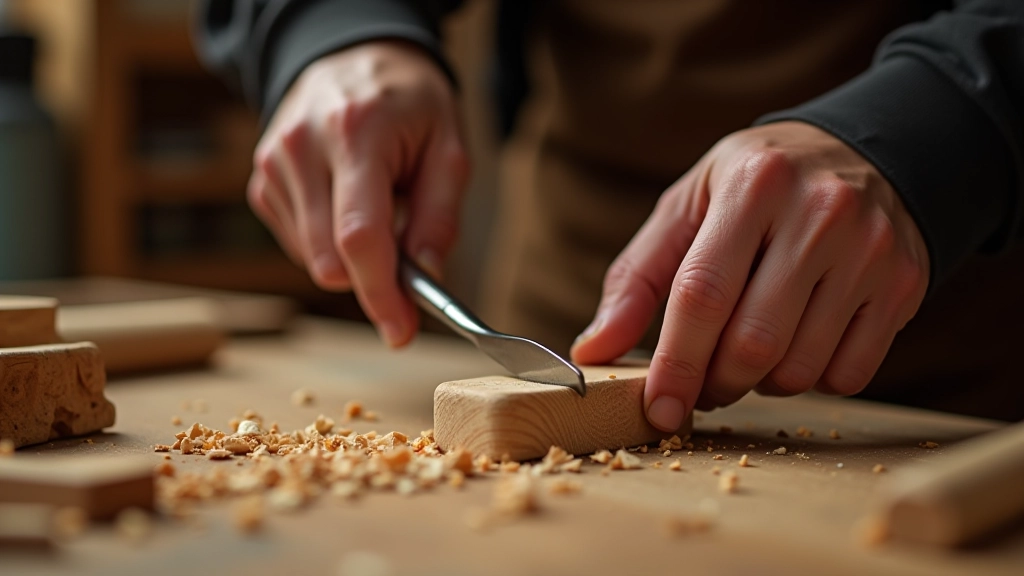

Getting Started Doesn't Require a Fortune
You don't need a fully equipped professional shop to start woodworking. Plenty of skilled craftspeople work in small spaces with basic tools. The trick is knowing which items matter most and how to organize them efficiently. We'll walk you through the essentials — from workbench setup to storage solutions — that'll let you create quality work without spending a small fortune.
What we've found after years of watching hobby woodworkers: the best workshops aren't the biggest ones. They're the organized ones. You'll be surprised how much you can accomplish with thoughtful planning and smart tool selection.
Quick Start Checklist
- Sturdy workbench or table
- Hand tools (chisels, saws, planes)
- Measuring and marking tools
- Storage wall or shelving
- Proper lighting
- Safety equipment
Finding Your Workspace
Start with what you have. A corner of a garage. A spare bedroom. Even a sheltered outdoor area works if you can protect tools from weather. The space doesn't need to be large — 100 square feet is genuinely enough for hand woodworking and carving projects.
Think about these practical factors first. Natural light matters more than you'd expect. A north-facing window gives steady light without harsh shadows. If natural light isn't available, a couple of LED shop lights (around €30-50) make a massive difference. You'll spend hours in this space, so proper lighting cuts eye strain and helps you see grain patterns and detail work clearly.
Ventilation comes next. You'll generate dust — lots of it. A simple window fan pulling air out helps. If you're doing finishes later, you'll want even better airflow. But for basic hand tool work, good air movement is enough.
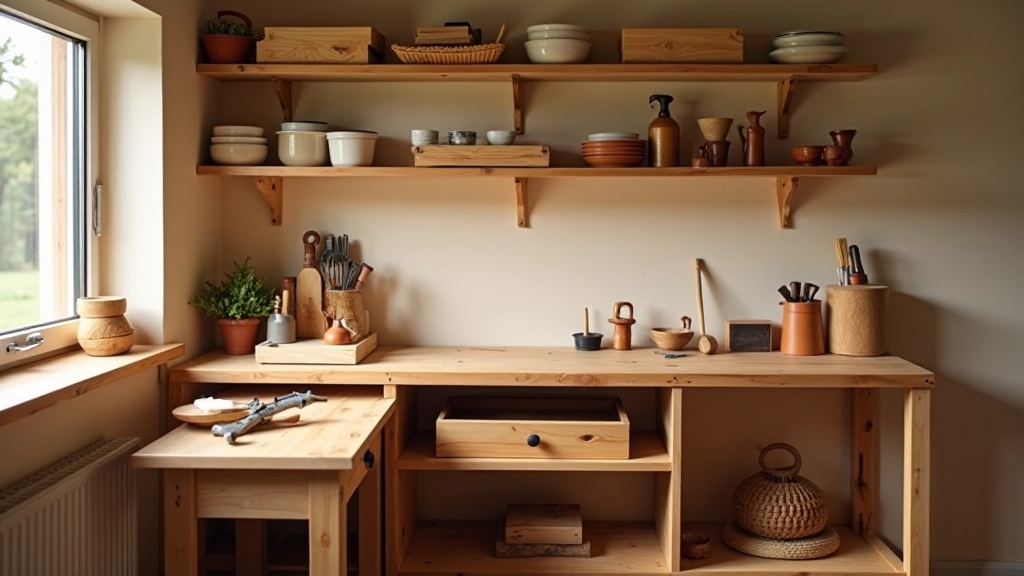
Educational Information
This guide provides educational information about setting up a home woodworking space. Actual workspace requirements vary based on local building codes, rental agreements, and specific woodworking techniques you'll pursue. Always check local regulations before making structural changes. Tool selection should match your specific projects and skill level.
The Workbench: Your Most Important Investment
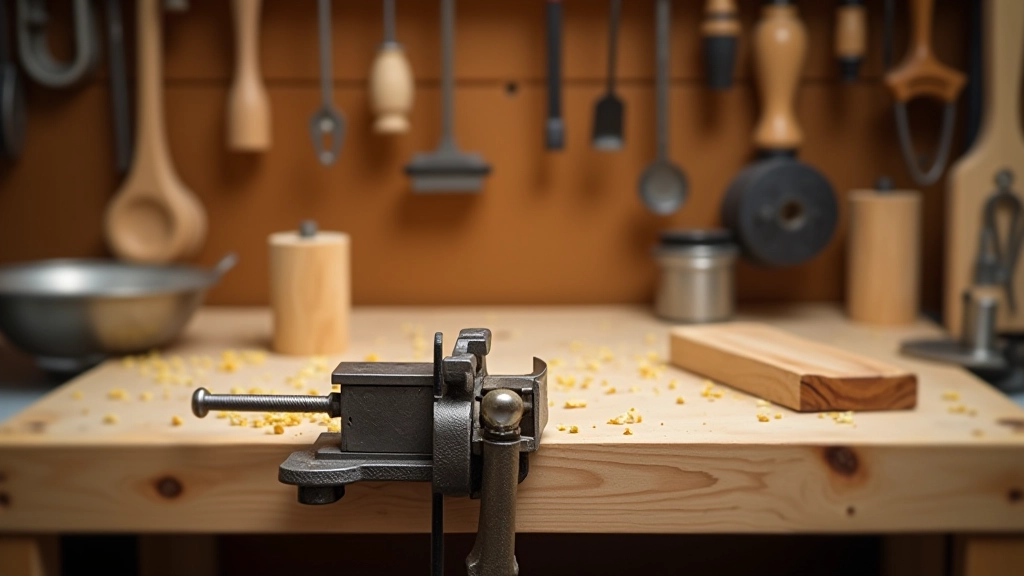
A solid workbench is genuinely the foundation. You need something heavy and stable. It shouldn't wobble when you're planing wood or using chisels. Many woodworkers build their own benches from dimensional lumber — typically around €80-150 in materials. A 4x8 foot bench gives you plenty of working space without overwhelming a small room.
What matters most? Weight and flatness. A bench needs to be heavy enough that it doesn't move when you're working. A good vise is essential too. Don't cheap out here. A quality woodworking vise (€40-80) will outlast your career. Avoid small clamp-on vises — they're frustrating and won't hold properly for real work.
Height is personal. Most benches sit around 33-36 inches. Try different heights at a friend's workshop if you can. Your arms should hang naturally with a slight bend in your elbows when working.
Essential Hand Tools — What You Really Need
Building a tool collection takes time. You don't buy everything at once. Start with these core tools, then add based on what projects you tackle.
Saws
A crosscut saw and a ripsaw handle most cutting. A Japanese pull saw (€25-40) works great and takes up minimal space. You'll also want a coping saw for curves.
Chisels
Start with four sizes: 6mm, 12mm, 20mm, and 25mm. You can find decent sets for €40-60. Keep them sharp — dull chisels are dangerous and frustrating. A simple oil stone (€15-25) keeps edges good.
Hand Planes
A #4 or #5 jack plane handles most work. Vintage planes from flea markets (€10-20) work beautifully once tuned up. You'll spend more time learning to use them than buying them.
Measuring Tools
A quality steel tape measure, combination square, and marking gauge are essential. Don't skip these — accurate measurements save materials. Budget €30-50 for a solid set.
Hammers & Mallets
A 16oz claw hammer and wooden mallet handle most tasks. Wood chisels need a mallet, not a hammer. You'll find good ones at any hardware store for €15-25 each.
Clamps
You can never have too many clamps. Start with 4-6 bar clamps (€10-20 each). C-clamps are cheaper and surprisingly useful. Buy as you need them.
Related Articles
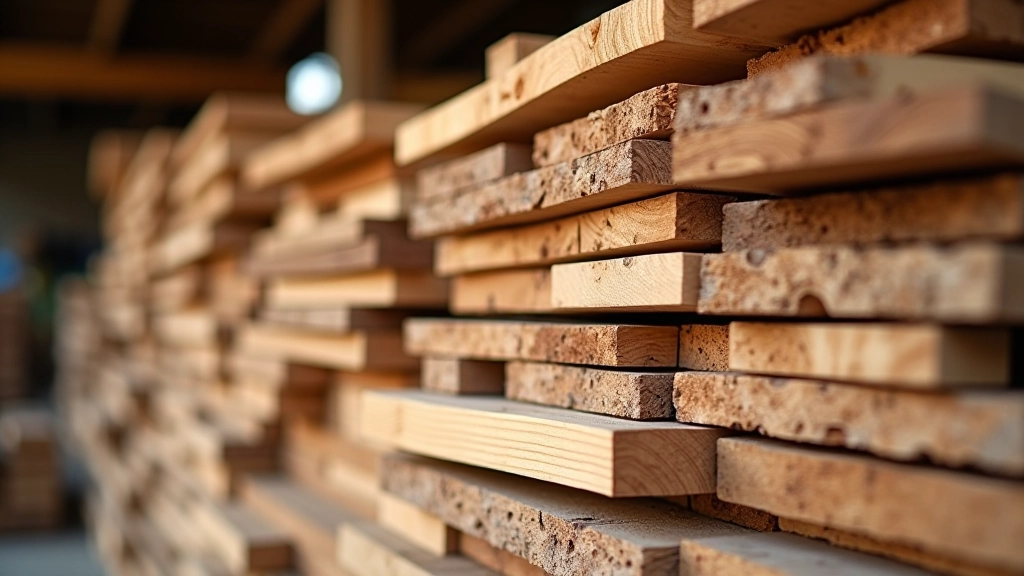
Smart Storage Solutions
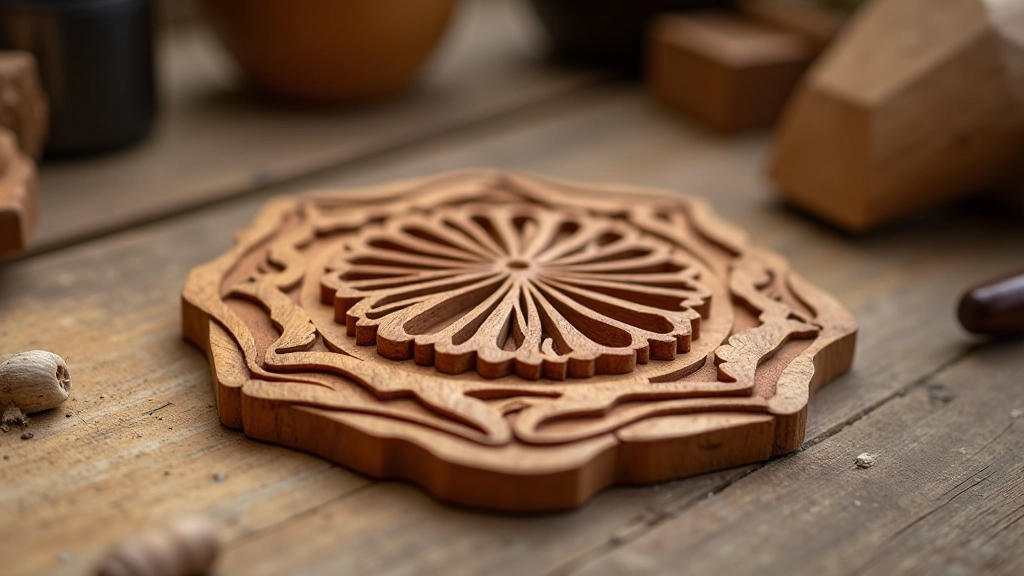
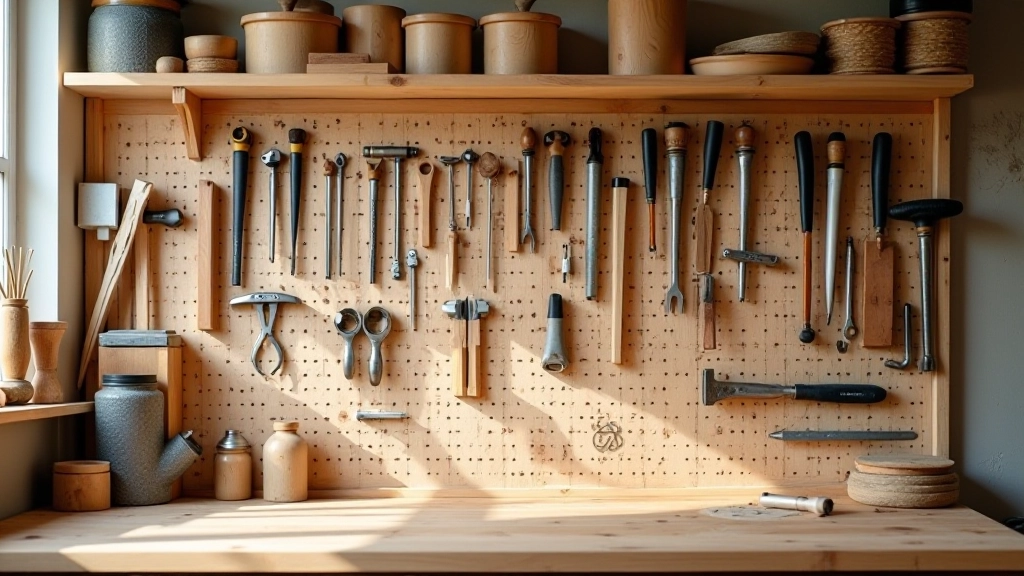
A small workshop survives or dies by organization. You'll spend time looking for tools if you don't have a system. Wall storage is your friend. Pegboard is cheap (€10-20 for a sheet) and infinitely customizable. You can see every tool at a glance, and it doesn't take up floor space.
Wooden racks and shelves beat plastic storage boxes for hand tools. You can see what you have without opening everything. Plus, wood looks better and lasts longer. Build simple shelving from 2x4s and plywood — probably €30-50 for a decent unit.
Keep frequently used items at arm's height. Things you use monthly go higher or lower. This isn't just about tidiness — it's about efficiency. You'll work faster when you're not constantly hunting for the right chisel or measuring tape.
Start Small and Expand
The best workshop is the one you'll actually use. Don't try to set everything up perfectly before starting. Build your bench, get basic tools, organize what you have. Then make your first project. You'll learn what you're missing and what you actually need. That knowledge beats any checklist.
Your first year will be about understanding what works for you personally. Some people love hand planes. Others prefer different approaches. Some carvers need minimal equipment. Others eventually build more elaborate setups. There's no single right answer — just what fits your space, budget, and the work you want to do.
You'll be surprised how much quality work comes from small, well-organized spaces. Keep it simple. Keep it organized. And actually use it. That's the real secret.