
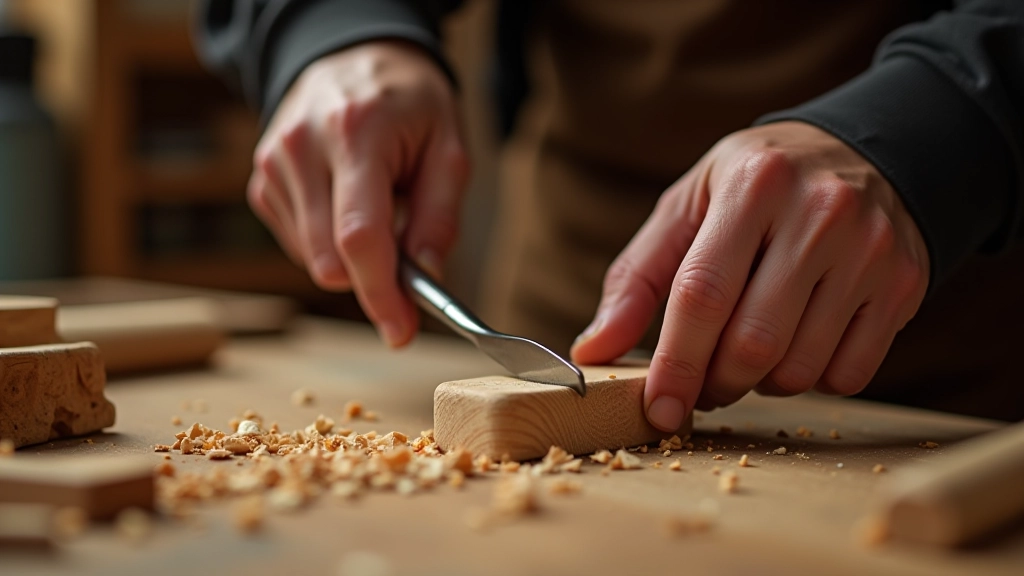
Starting Your First Woodcarving Project
Learn which tools you actually need, how to choose the right wood, and three beginner-friendly projects you can complete in a weekend.
Read More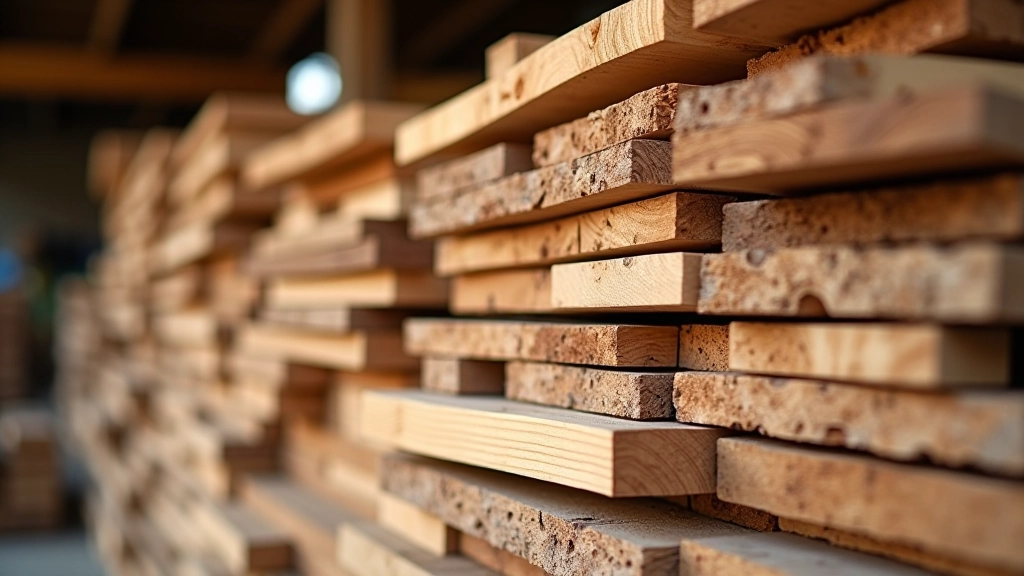
Your complete guide to sourcing authentic wood from local kokmateriālu suppliers in Latvia. Learn where to find the best material, how to evaluate quality, and get fair pricing.
Finding the right timber is half the battle when you're starting out. It's not just about walking into a shop and grabbing whatever's on the shelf. Quality wood makes the difference between a project that lasts decades and one that warps, cracks, or disappoints you after a few seasons.
Baltic timber — sourced right here from local kokmateriālu suppliers — offers something special. You're getting wood that's been properly seasoned in our climate, which means it's already adjusted to the moisture and temperature conditions you'll be working in. Plus, you'll support local businesses and often find better prices than importing from elsewhere.
This guide walks you through exactly how to find, evaluate, and purchase quality Baltic timber without overpaying or settling for substandard material.

The best place to start? Look for established kokmateriālu suppliers in your region. These aren't necessarily big box stores. Many are smaller, family-run operations that've been in business for years. They know timber inside and out.
Visit suppliers that sell directly to woodworkers and craftspeople. They typically stock a wider variety than retail stores and their staff actually understand wood grades. Ask about their sourcing — you want suppliers who work with local mills or manage their own inventory carefully.
Don't just check one place. Visit 3-4 different suppliers in your area. You'll quickly notice differences in quality, pricing, and how they treat customers. Some will give you detailed advice about grain direction and seasoning. Others will rush you through. The right supplier becomes a resource you'll use for years.
When you walk in, ask about moisture content. Quality suppliers will measure this with a moisture meter and can tell you the exact percentage. Wood that's too wet will warp. Too dry can be brittle. For general woodworking, you're looking for 8-12% moisture content in most cases. They should be able to provide this information without hesitation.

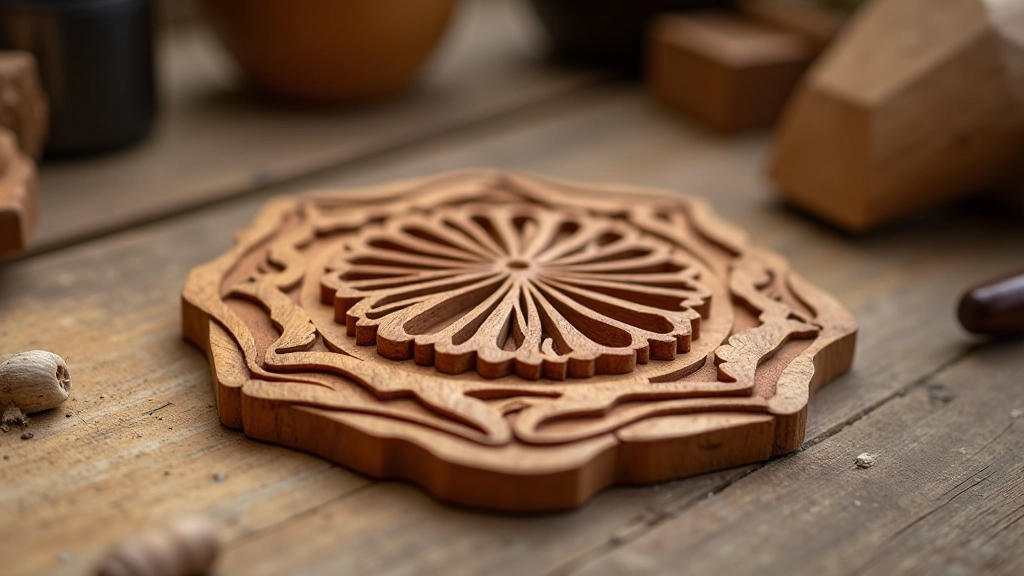


Different timber grades exist for a reason. Understanding them means you'll pay fair prices and get exactly what you need for your project.
Baltic suppliers typically use European grading standards. Grade A is premium — minimal defects, perfect for visible surfaces. Grade B has some knots and minor imperfections but works fine for most projects. Grade C includes larger knots and more character. You don't always need Grade A. Many woodworkers save money by using Grade B for structural parts and Grade A only for visible surfaces.
Hardwoods cost more than softwoods, naturally. Oak, birch, and ash are popular in Latvia and offer excellent workability. Pine and spruce are budget-friendly options that still deliver quality results if you choose carefully. The right choice depends on your project's purpose and your skill level.
Don't settle for the first quote. Compare prices across 2-3 suppliers, but remember — the cheapest isn't always the best value. A supplier charging slightly more but providing accurate grading and good moisture content saves you headaches later. Ask about bulk discounts if you're buying larger quantities. Many suppliers offer 10-15% off if you purchase multiple boards of the same species and grade.
Here's what separates experienced woodworkers from beginners when they're buying timber. These aren't complicated strategies — just practical habits that save money and prevent frustration.
First, plan your project completely. Know exactly what sizes and species you need. Don't just show up and browse. Having a list prevents impulse purchases and ensures you get matching pieces. Second, inspect boards individually. Run your hand along the grain. Look for warping by sighting down the board's length. Check both faces and edges. A supplier who lets you pick and choose is worth returning to.
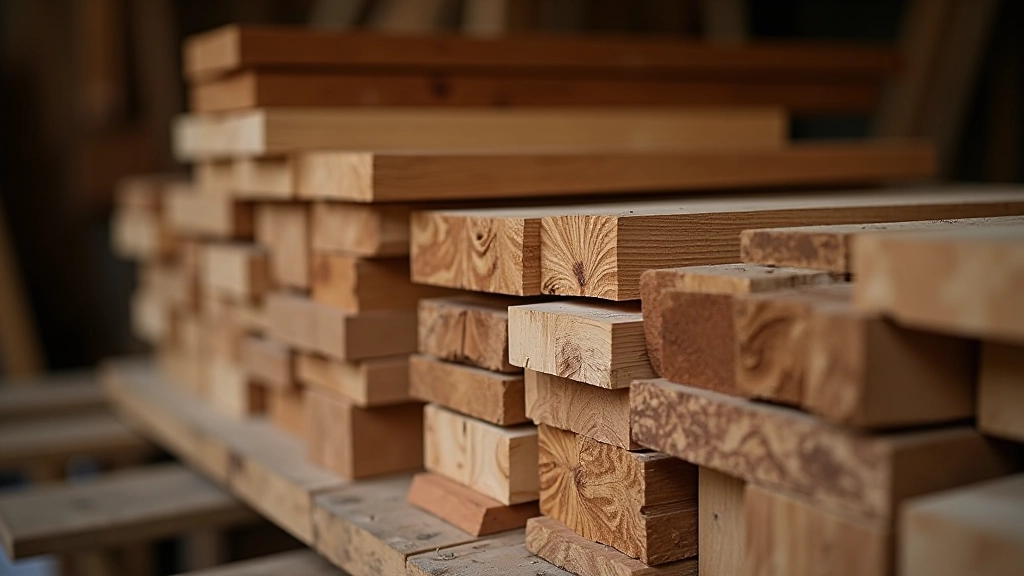
Once you bring timber home, don't start cutting immediately. Stack it in your workshop with spacers between boards for 1-2 weeks. This allows the wood to acclimate to your indoor environment's humidity. This step prevents warping and splitting after you've already shaped the wood. It's boring but absolutely worth the wait.
Store wood flat or vertically with proper support. Never leave it leaning at an angle — it'll develop a permanent curve. Keep it away from direct sunlight and heating sources, which dry it too quickly.
This article provides educational information about sourcing Baltic timber locally. The guidance reflects general best practices in woodworking, but individual results depend on your specific project, climate, and local supplier availability. Always follow manufacturer guidelines for tools and materials, and consult with experienced woodworkers in your community for project-specific advice. Prices, grading standards, and supplier information may vary by region and change over time.

Finding quality Baltic timber doesn't require special knowledge or connections. It just takes a bit of time and attention. Visit local kokmateriālu suppliers, ask informed questions, and don't rush the process. You'll build relationships with suppliers who understand your needs, get better pricing over time, and most importantly, end up with wood that's genuinely suited to your projects.
Start with one supplier. Inspect a few boards. Ask about moisture content and grading. You'll quickly develop an eye for quality. Before long, you'll be the one giving advice to other beginning woodworkers about where to find the best local timber.